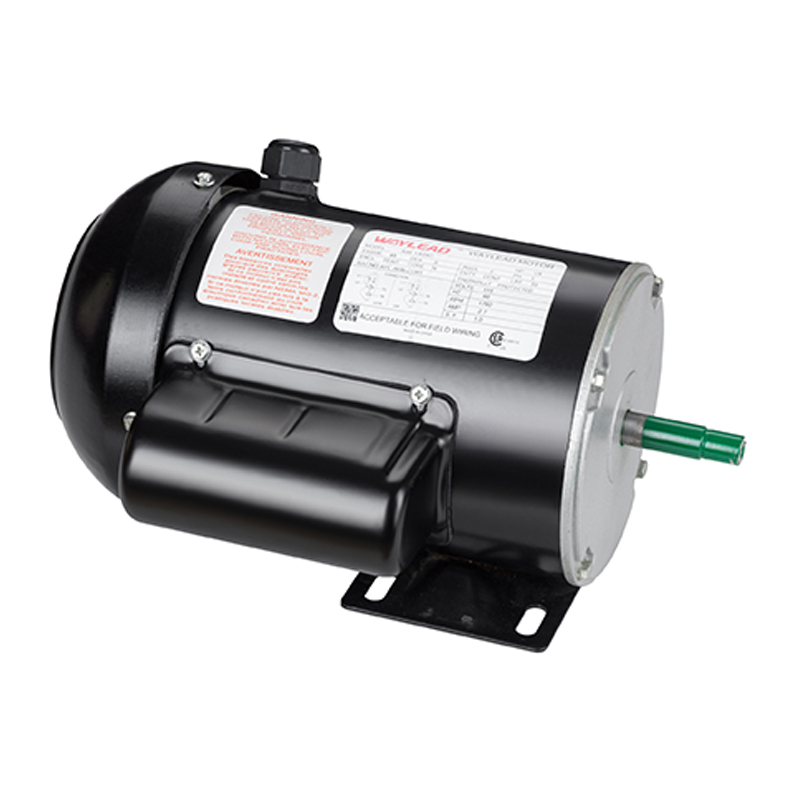
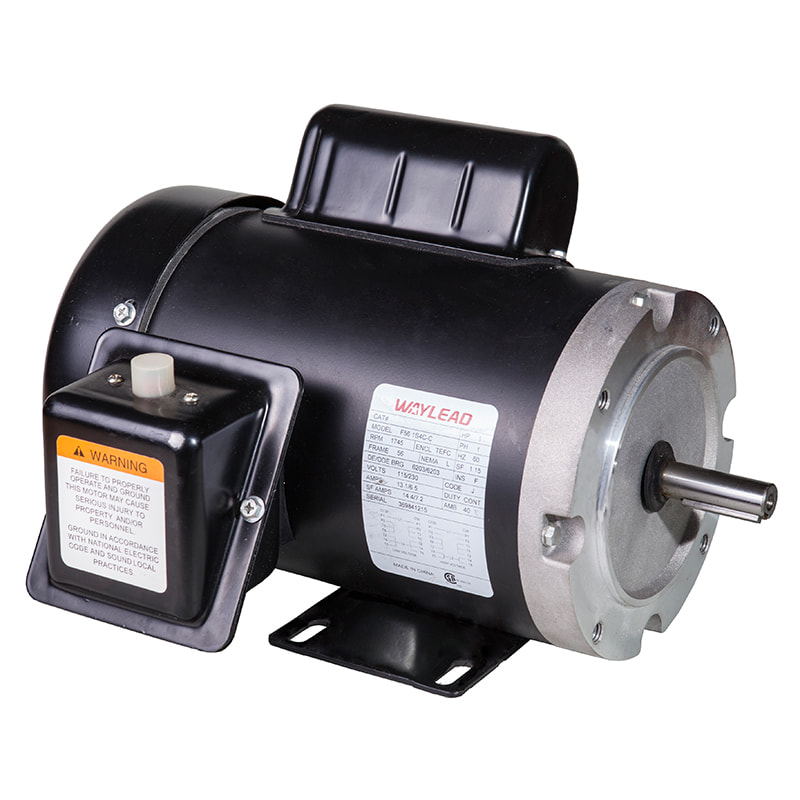
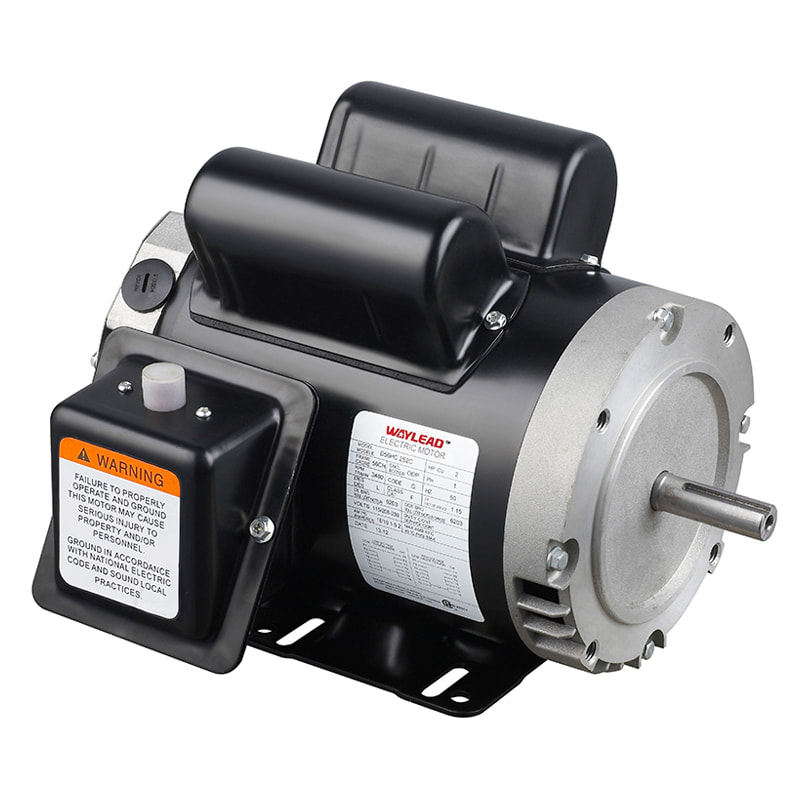
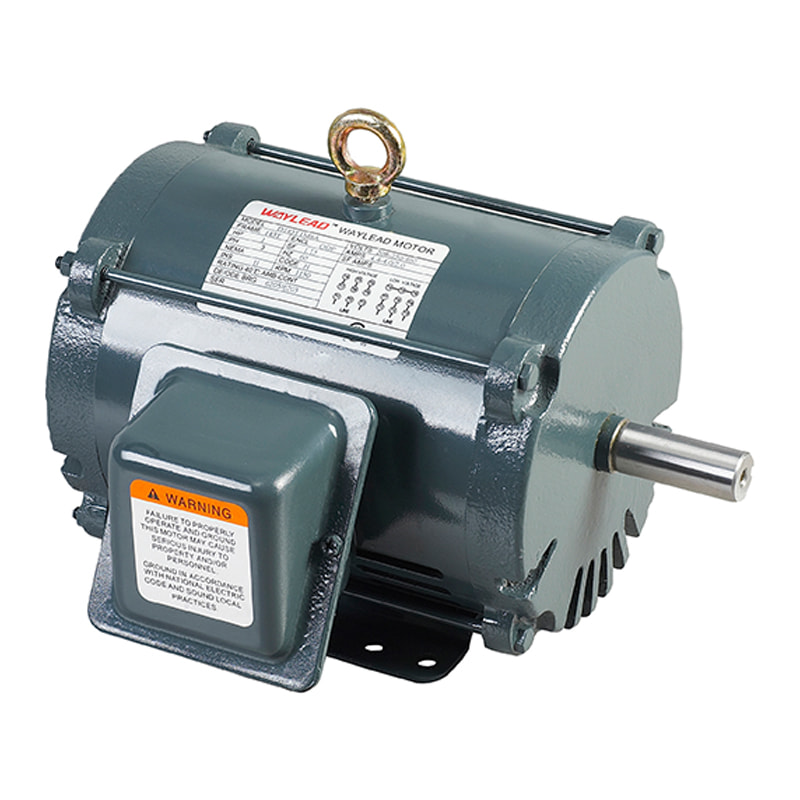
El factor de servicio del motores (SF) es un multiplicador de la potencia nominal de un motor que indica cuánta sobrecarga puede soportar el motor de forma continua sin sufrir daños en condiciones específicas. Por ejemplo, un motor de 10 HP con un factor de servicio de 1,25 puede funcionar con seguridad a 12,5 HP cuando sea necesario. Comprender el factor de servicio del motor es esencial para seleccionar el motor adecuado, evitar fallas prematuras y optimizar la eficiencia energética en aplicaciones industriales y comerciales.
¿Qué es el factor de servicio del motor?
El factor de servicio es un número adimensional impreso en cada placa de identificación de motor estándar NEMA que define la capacidad de sobrecarga permitida por encima de la potencia nominal. La Asociación Nacional de Fabricantes Eléctricos (NEMA) define el factor de servicio como la relación entre la carga continua máxima permitida y la carga nominal de la placa de identificación en las condiciones operativas estándar de voltaje y frecuencia nominales. No es un factor de seguridad en el sentido tradicional: es una reserva operativa diseñada que se puede utilizar cuando las demandas del proceso exceden brevemente los niveles normales.
Los valores comunes del factor de servicio para motores de inducción de CA de uso general incluyen 1,0, 1,15 y 1,25 . Un factor de servicio de 1,0 significa que el motor nunca debe exceder su clasificación nominal. Un valor de 1,15 es el que se encuentra con mayor frecuencia para motores abiertos estándar a prueba de goteo (PAO), mientras que 1,25 se encuentra a menudo en motores diseñados para ciclos de trabajo particularmente exigentes.
Cómo se calcula el factor de servicio del motor
La potencia utilizable en el factor de servicio es simplemente el HP nominal multiplicado por el valor SF. La fórmula es sencilla:
Factor de servicio HP = Placa de identificación HP × Factor de servicio
Ejemplo: 20 HP × 1,15 pies cuadrados = Carga continua máxima de 23 HP
Sin embargo, operar con una carga de factor de servicio conlleva compensaciones. Cuando un motor funciona con su carga SF en lugar de su carga nominal, el aumento de temperatura aumenta significativamente (generalmente entre 10 y 25 °C por encima de la línea base ambiental estándar de 40 °C), la vida útil del aislamiento del devanado se acorta y la eficiencia disminuye. Los fabricantes diseñan motores para adaptarse a esta sobrecarga temporal, pero no se recomienda como práctica estándar el funcionamiento sostenido con carga SF.
Valores comunes del factor de servicio por tipo de motor
Diferente motor Los diseños y tipos de gabinetes tienen diferentes factores de servicio estándar según su capacidad de gestión térmica. La siguiente tabla resume los valores típicos de las categorías de motores comunes:
| Tipo de motor | recinto | SF típico | Aplicación típica |
|---|---|---|---|
| Inducción de CA de uso general | ODP | 1.15 | Bombas, ventiladores, transportadores. |
| Inducción de CA de uso general | TEFC | 1,0–1,15 | Entornos de lavado al aire libre |
| Eficiencia Premium (IE3/NEMA Premium) | PAO/TEFC | 1.15 | Instalaciones energéticamente conscientes |
| Motores Monofásicos (<1 HP) | Varios | 1,25–1,35 | Pequeños electrodomésticos, climatización. |
| Motores de servicio inversor/VFD | TEFC | 1.0 | Variadores de velocidad |
| Motores a prueba de explosiones | TEXTO | 1.0 | Lugares peligrosos |
Factor de servicio del motor versus factor de seguridad: diferencias clave
El factor de servicio y el factor de seguridad se confunden con frecuencia, pero sirven para propósitos de ingeniería completamente diferentes. Comprender la distinción es fundamental para dimensionar correctamente el motor.
- Factor de servicio (FS) — Un parámetro operativo definido por el fabricante en la placa de identificación. Describe un utilizable rango de sobrecarga para el que el motor está diseñado y probado específicamente. El uso de la carga SF está permitido según los estándares NEMA en condiciones de voltaje y frecuencia estándar.
- Factor de seguridad — Un margen de diseño de ingeniería aplicado a componentes estructurales o mecánicos para tener en cuenta incertidumbres, variabilidad de materiales y cargas inesperadas. No está impreso en la placa de identificación del motor y no debe confundirse con SF.
Un error común es comprar un motor más pequeño y confiar en el SF para manejar la carga operativa normal. Este mal uso acorta drásticamente la vida útil del motor. Es mejor considerar el SF como una reserva de emergencia, no como una zona de operaciones de rutina. El Departamento de Energía recomienda dimensionar los motores para que funcionen entre 75% y 100% de los HP nominales en condiciones normales.
Cómo el factor de servicio afecta la temperatura y la vida útil del motor
Operar un motor con su carga de factor de servicio aumenta significativamente la temperatura del devanado, lo que reduce directamente la vida útil del aislamiento según la regla de Arrhenius de 8°C. Esta regla establece que por cada aumento de 10 °C en la temperatura del devanado por encima del límite de clase nominal del aislamiento, la vida útil del aislamiento del motor se reduce a la mitad.
| Clase de aislamiento | Aumento máximo de temperatura (con carga nominal) | Aumento máximo de temperatura (con carga SF) | Impacto en la vida con carga SF |
|---|---|---|---|
| Clase B | 80°C | 90°C | ~50% de reducción |
| Clase F | 105ºC | 115ºC | ~50% de reducción |
| Clase H | 125ºC | 135ºC | ~50% de reducción |
La mayoría de los motores modernos utilizan aislamiento de Clase F, pero se prueban según los límites de temperatura de Clase B con carga nominal, lo que significa que hay una reserva térmica incorporada incluso antes de que se active el SF. Esta práctica de diseño proporciona a los motores con una altura térmica de 1,15 SF más robusta en la práctica.
Cuándo y cómo utilizar correctamente el factor de servicio del motor
El factor de servicio debe utilizarse como un amortiguador operativo temporal para cargas máximas de corta duración, no como un punto operativo de rutina. Los escenarios apropiados para aprovechar el SF incluyen:
- Oleadas de startups — Los motores que impulsan cargas de alta inercia, como grandes ventiladores o centrífugas, pueden consumir brevemente una corriente superior a la nominal durante la aceleración.
- Picos estacionales — Los motores de los compresores HVAC pueden experimentar temporalmente cargas superiores a las de diseño durante condiciones climáticas extremas.
- Alteraciones del proceso — Un motor de bomba que encuentra una altura de cabeza inesperada en el sistema o un motor de transportador que golpea un atasco temporal puede usar el espacio libre de SF para evitar disparos molestos.
- Correcciones de altitud y ambiente. — En elevaciones superiores a 3300 pies (1000 m) o temperaturas ambiente superiores a 40 °C, NEMA exige que se reduzca la potencia del SF. Consulte las curvas del fabricante para conocer tablas de reducción de potencia específicas.
Factor de servicio y VFD: una advertencia crítica
Cuando un motor está controlado por un variador de frecuencia (VFD), el factor de servicio de la placa de identificación se anula efectivamente y el motor debe tratarse como SF = 1,0. Los VFD introducen distorsión armónica y pérdidas adicionales que aumentan la temperatura del devanado de forma independiente. Hacer funcionar un motor controlado por VFD por encima de su HP nominal, incluso dentro del SF etiquetado, puede provocar una falla rápida del aislamiento. Utilice siempre motores con clasificación inversora con SF 1,0 en aplicaciones VFD.
Factor de servicio del motor versus tamaño del motor: ¿cuál debería utilizar?
El tamaño adecuado del motor siempre prioriza hacer coincidir los HP de la placa de identificación del motor con la carga real; nunca confíe en SF para compensar una selección de motor de tamaño insuficiente.
| Escenario | Enfoque | ¿Recomendado? | Razón |
|---|---|---|---|
| Carga = 11 HP, motor = 10 HP (SF 1,15) | Confíe en SF para un funcionamiento normal | No recomendado | El funcionamiento constante de SF acorta la vida útil del aislamiento |
| Carga = 11 HP, motor = 15 HP (SF 1,15) | El motor funciona al 73% de carga; SF es reserva | Correcto | El motor funciona frío, SF disponible para picos |
| Picos máximos ocasionales de 10 minutos en la carga SF | Utilice la carga SF temporalmente, enfríe entre ciclos | Aceptable | Este es el propósito previsto de SF. |
| Motor controlado por VFD con carga SF | Ignorar SF; tratar como SF 1.0 | Peligroso | Los armónicos del VFD añaden estrés térmico adicional |
Cómo leer el factor de servicio del motor en la placa de identificación
El factor de servicio aparece como "S.F." o "S/F" en la placa de identificación del motor junto con HP, RPM, voltaje, amperios de carga completa (FLA), clase de aislamiento y tamaño de estructura. Así es como se ve una entrada típica en una placa de identificación y cómo se relaciona cada valor con SF:
- PV: 25 — Salida de caballos de fuerza nominal
- F.S.: 1.15 — El motor puede soportar 28,75 HP en condiciones SF
- FLA: 30A — Amperios a plena carga a HP y voltaje nominales
- SF Amperios: 34,5 A. — Consumo de corriente en la carga SF (algunas placas de identificación lo enumeran por separado)
- Ins. Clase: F — Clase de temperatura máxima del aislamiento del devanado
Al configurar la protección del relé de sobrecarga, siempre base el ajuste de disparo en el FLA, no los amplificadores SF . El artículo 430 del NEC (Código Eléctrico Nacional) especifica que la protección contra sobrecarga del motor debe establecerse en no más del 125 % de FLA para motores con SF ≥ 1,15 y del 115 % de FLA para motores con SF < 1,15.
Factor de servicio y eficiencia energética del motor
Operar un motor con su carga SF reduce la eficiencia entre 2 y 5 puntos porcentuales en comparación con operar con carga nominal, lo que aumenta directamente los costos de energía. Por ejemplo, un motor de 50 HP que funciona 8760 horas al año a $0,12/kWh:
- Con carga nominal (93% de eficiencia): Costo energético anual ≈ $26,800
- Con carga SF (90 % de eficiencia): Costo energético anual ≈ $30,600
- Diferencia: $3,800 por año en gasto de energía adicional por motor
Esta es la razón por la que las instalaciones con docenas de motores que funcionan rutinariamente por encima de los HP nominales pueden generar decenas de miles de dólares en costos de energía anuales evitables. El tamaño adecuado del motor para mantener las máquinas entre el 75% y el 100% de la carga nominal supera consistentemente el ahorro de costos a corto plazo que supone seleccionar un motor más pequeño y más económico.
Preguntas frecuentes sobre el factor de servicio del motor
P: ¿Puedo hacer funcionar mi motor continuamente con su carga de factor de servicio?
Técnicamente sí, NEMA lo permite en condiciones ambientales y de voltaje estándar, pero no es recomendable para operaciones de rutina. La operación sostenida con carga SF acelera el envejecimiento del aislamiento, reduce la vida útil del motor y disminuye la eficiencia. Utilice SF como un amortiguador de sobrecarga ocasional, no como un punto de operación diario.
P: ¿Qué factor de servicio necesito para una aplicación de servicio pesado?
Para aplicaciones realmente exigentes, como trituradoras, compresores alternativos o ciclos frecuentes de arranque y parada, la mejor solución de ingeniería es seleccionar un motor HP de placa de identificación más grande (no un motor SF más alto) y confirmar que la clasificación del ciclo de trabajo del motor coincida con la aplicación. Es preferible un motor de 1,15 pies cuadrados del tamaño adecuado a un motor de 1,25 pies cuadrados de tamaño insuficiente.
P: ¿Un mayor factor de servicio significa mejor calidad?
No necesariamente. Un SF más alto simplemente significa que el motor tiene más margen térmico de sobrecarga incorporado por el fabricante. Los motores de eficiencia premium a menudo alcanzan 1,15 pies cuadrados mientras mantienen una eficiencia superior con carga nominal. El mejor motor para la mayoría de las aplicaciones es aquel que funciona entre el 75% y el 100% de los HP nominales con un SF que proporcione una reserva de emergencia adecuada.
P: ¿Qué sucede con el factor de servicio a gran altura?
En altitudes superiores a 3300 pies (1000 m), la densidad del aire disminuye, lo que reduce la eficiencia del enfriamiento convectivo. NEMA MG 1 requiere que los motores operados por encima de esta altitud tengan su potencia SF reducida. Como regla general, por cada 330 pies (100 m) por encima de 3300 pies, aplique aproximadamente una reducción del 1% al SF. A 2000 m (6600 pies), un motor de 1,15 pies cuadrados se convertiría efectivamente en un motor de 1,12 pies cuadrados.
P: ¿El factor de servicio del motor es el mismo para los motores IEC?
No. Las normas IEC (Comisión Electrotécnica Internacional), utilizadas ampliamente fuera de Norteamérica, no utilizan el mismo sistema de factor de servicio. Los motores IEC están clasificados para un servicio continuo específico (designados como S1–S9) y no llevan un factor de sobrecarga multiplicador en la placa de identificación. Al comparar motores NEMA e IEC, los ingenieros deben revisar cuidadosamente la clase de servicio, la clasificación de aislamiento y los límites térmicos en lugar de simplemente buscar un número SF.
P: ¿Cómo configuro la protección contra sobrecarga para un motor con SF 1.15?
Según el artículo 430.32 de NEC, para un motor con un factor de servicio de 1,15 o mayor, la protección contra sobrecarga debe establecerse en no más de 125% de la corriente de carga completa del motor (FLA) . Para un motor con SF inferior a 1,15, el límite es 115 % de FLA. Configure siempre la protección basándose en la placa de identificación FLA, no en el amperaje SF.
Conclusión
El factor de servicio del motor es uno de los parámetros más importantes (y menos comprendidos) de la placa de identificación de un motor. Define la capacidad de sobrecarga que un motor puede soportar temporalmente, no una banda operativa de rutina. Seleccionar el motor correcto significa dimensionarlo de modo que el funcionamiento normal caiga entre el 75% y el 100% de los HP nominales, con el SF disponible como una reserva genuina para demandas máximas o transitorias. El mal uso del SF como estrategia de selección de motores para reducir costos genera facturas de energía más altas, una vida útil más corta del motor y tiempos de inactividad no planificados.
Ya sea que esté especificando un motor nuevo, solucionando fallas prematuras o revisando los costos de energía de sus instalaciones, comprender el factor de servicio del motor le brinda la base técnica para tomar mejores decisiones y proteger su inversión en equipos.